Weak AC Airflow Solutions for Better Comfort and Efficiency
Weak AC airflow is one of those problems that starts as a nuisance and quickly becomes a comfort issue, an energy issue, and sometimes a repair issue that costs far more than it should have if ignored. A room that never quite cools down, vents that feel tired instead of forceful, a system that runs longer than usual, these are not small complaints. They are usually the air conditioner trying to tell you something specific.
I have seen plenty of homes where the first instinct was to blame the thermostat or assume the system was “just old.” Sometimes that is part of the story, but weak airflow usually has a cause that can be traced. The good news is that many of the common causes are fixable, and some of the most effective solutions are simple once you know where to look. The trick is not to focus only on the symptom. Airflow problems usually come from a restriction, a failing component, a frozen coil, or a deeper mechanical issue that changes how the whole system breathes.
What weak airflow really looks like
Weak AC airflow does not always mean air is completely local AC repair company stopped. More often, it means the vents are pushing less air than they should, or the air feels lukewarm because the system cannot move enough volume across the coil and through the rooms. A house may cool unevenly, with one bedroom comfortable and another one stuffy by late afternoon. The AC may run for long cycles, but the thermostat still creeps upward during the hottest part of the day. People sometimes notice that the return grille seems to have more suction than the supply vents have push, which is a clue that the system is struggling on the delivery side.
Sometimes the change is gradual enough that people adapt to it without realizing anything is wrong. They lower the thermostat a few degrees, run ceiling fans more often, or close off rooms in an attempt to compensate. That can mask the problem for a while, but it does not solve it. Weak AC airflow often leads to higher indoor humidity, longer run times, and more wear on components that are already under stress.
Start with the simplest causes
Before opening panels or assuming a major failure, check the basics. I have lost count of how many airflow complaints were tied to a clogged filter, a blocked return, or furniture pushed too close to a supply vent. These sound almost too simple, but they remain common because they develop slowly.
A dirty air filter is the first place to look. If a filter is loaded with dust, pet hair, or construction debris, it acts like a wall in front of the airflow. The system may still run, but the volume drops and the evaporator coil can get cold enough to frost over. In a humid climate, that can turn into a bigger problem fast. Homeowners often replace a filter and immediately notice the difference, especially if the old one was overdue by several months.
Return vents deserve attention too. If a large sofa, storage bins, or even a hanging curtain blocks the return path, the blower cannot pull enough air back into the system. That imbalance lowers airflow at the supply registers. It is worth walking the house and checking that each vent has clear space around it. A vent that looks only partly blocked can still reduce performance more than people expect.
Duct problems are another common culprit. Leaky ducts, crushed flex duct, disconnected runs, or dirty interior surfaces all interfere with delivery. Air that leaks into a hot attic or crawlspace never reaches the room it was meant to cool. In older homes, I often find one room suffering because a branch duct has sagged, been punctured, or was poorly installed from the start. In those cases, the system itself may be fine, but the air is not making the journey efficiently.
When low refrigerant shows up as airflow trouble
Low refrigerant AC problems often get mistaken for “weak airflow” because the symptoms overlap. The blower may still move air, but the air coming from the vents feels weakly cool, the coil may ice up, and the system can run longer without reaching the set temperature. Refrigerant does not create airflow, but when it is low, the evaporator coil can drop below freezing and airflow over the coil declines as ice builds.
That is why a system with low refrigerant sometimes starts out with normal airflow and then gradually feels weaker over the course of a day. The ice forms on the indoor coil or the suction line, airflow gets choked off, and the supply vents seem to lose force. Homeowners sometimes report that the air is strongest right after the system is off for a while, then weakens again once it has run a bit. That pattern is a classic warning sign.
A refrigerant issue should not be treated as a casual top-off. If the system is low, there is usually a leak somewhere. Charging it without finding the leak only delays the next failure. A good technician will check pressures, look for evidence of oil residue, inspect connections and coil surfaces, and confirm whether the issue is truly refrigerant related. If the leak is small, the system may limp along for a while. If it is substantial, the cooling problem usually becomes more noticeable during the hottest hours of the day, when the system has the least margin for error.
Frozen coils and humid climates
A frozen AC coil Florida homeowners deal with often comes down to a mix of airflow restriction and humidity. Florida summers are hard on equipment. High moisture levels, long runtimes, and heavy system use create perfect conditions for a coil to freeze if anything in the airflow path is off.
When the evaporator coil freezes, the blower has to push through a narrowing air path. That means weak airflow becomes both a symptom and a cause. The freezing starts because the coil is too cold or not getting enough warm air across it, then the ice slows airflow even more, and the cycle feeds itself. In practical terms, a house that was cooling okay in the morning may be warm by late afternoon, even though the unit is running. People sometimes find ice on the refrigerant line outside or water pooling near the air handler after the unit thaws.
The fix depends on why it froze. A bad filter, dirty coil, weak blower, or low refrigerant can all produce the same end result. The real mistake is running the system repeatedly while iced over. That can damage the compressor and strain the fan motor. If you see ice, shut the cooling off and let the system thaw before further testing. Then get the root cause checked. In humid regions, a frozen coil is rarely random. It is usually the system reacting to poor airflow, low charge, or both.
Blower problems and fan speed issues
The blower is the engine of airflow indoors. If the fan motor is weak, the wheel is dirty, the capacitor is failing, or the speed setting is wrong, supply airflow drops even when the rest of the system is healthy. A blower wheel coated in dust can lose a surprising amount of capacity. It does not have to be packed solid to affect performance. A thin layer of buildup changes how air grabs the fins and moves through the assembly.
I have also seen systems where the fan speed was simply set too low after a repair or replacement. The unit may have been left in a configuration that favors dehumidification over airflow, which can be fine in some conditions, but it can also make vents feel underpowered in larger homes. If the ductwork is long, undersized, or restrictive, the blower has to work harder to overcome static pressure. When it cannot, the whole house feels starved for air.
A strong technician does not just replace a motor and call it done. They check static pressure, look at temperature split, verify the blower wheel condition, and confirm that the control board or speed taps are delivering the intended airflow. That diagnostic discipline matters because a blower issue can be subtle. The system may still “work,” just badly enough that comfort suffers and efficiency slips.
Bad AC compressor signs that affect overall performance
Bad AC compressor signs are not always loud or dramatic. A compressor that is beginning to fail may still start and run, but cooling capacity drops, pressures look wrong, or the unit short cycles under load. Airflow complaints can show up because the entire system is underperforming, not because the indoor side is the only problem.
One of the more frustrating scenarios is when the indoor airflow seems weak and the outdoor unit is also struggling. The compressor may be overheating, tripping its overload, or failing to maintain proper pressure differential. The result is an AC that appears to be blowing, but not effectively cooling. The vents push air, yet the home stays sticky and warm. People often assume the ducts are at fault, but the system may be moving air over a coil that is not doing its job.
There are a few warning signs that make compressor trouble more likely. The outdoor unit may hum but not start immediately, the fan may run while the compressor stays silent, or the breaker may trip after a startup attempt. Sometimes the air from the vents is weakly cool at first, then turns disappointingly neutral as the compressor gives up under load. These symptoms do not prove the compressor is bad, but they do warrant a proper diagnosis. Replacing a compressor is a major repair, so confirming the issue matters.
What efficiency really means here
When airflow is weak, efficiency usually drops for reasons that are easy to overlook. The thermostat asks for 74 degrees, but because the system cannot circulate enough air, the indoor temperature lags behind. The unit runs longer, may cycle more often, and can still leave hot spots in the house. That extended runtime increases electrical use and wear. A system does not need to fail completely to become inefficient. It only needs to move less air than it was designed to move.
Efficiency is also tied to humidity control. Air conditioners do more than lower temperature. They remove moisture, and that process depends on proper airflow across the evaporator coil. Too little airflow can produce a cold, clammy coil that freezes. Too much airflow can reduce dehumidification. The goal is balance, not maximum speed. That is why solving weak AC airflow is not about forcing more air everywhere. It is about restoring the right amount of air, delivered through a clean and unobstructed path.
In real homes, the comfort payoff is often immediate once the cause is corrected. A system that was running 20 to 30 minutes longer per cycle may start satisfying the thermostat more quickly. A bedroom that stayed 4 degrees warmer than the rest of the house may fall back into range. Even the sound changes. The system often stops sounding strained because it is no longer fighting restrictions that should never have been there.
Practical fixes that usually make the biggest difference
There is a point where homeowners can do useful work and a point where a technician should take over. For airflow issues, the most effective first steps are often straightforward, and they can reveal whether the problem is minor or more serious.
| Action | Why it helps | When it matters most | | --- | --- | --- | | Replace the air filter | Restores basic airflow and protects the coil | Any time the filter is dirty or overdue | | Clear returns and supplies | Reduces resistance and improves circulation | When vents are blocked by furniture or debris | | Inspect for ice on the coil | Confirms a freezing or refrigerant-related issue | If airflow drops after longer run times | | Check blower operation | Identifies fan, emergency ac repair capacitor, or motor problems | If the system sounds weak or uneven | | Schedule a full system inspection | Finds duct leaks, refrigerant issues, and static pressure problems | When simple fixes do not restore comfort |
These are not glamorous fixes, but they solve a large share of weak airflow complaints. The filter and vent check should come first because they cost little and often reveal the issue quickly. If those do not help, the next layer is mechanical and should be tested carefully.
When to stop guessing and call for service
Some airflow problems are minor enough to diagnose by observation, but there are clear limits to what should be guessed at. If you see repeated icing, hear strange compressor noises, notice the outdoor unit struggling to start, or smell something burnt near the air handler, the issue deserves prompt attention. The same goes for airflow that gets weaker over time despite clean filters and open vents.
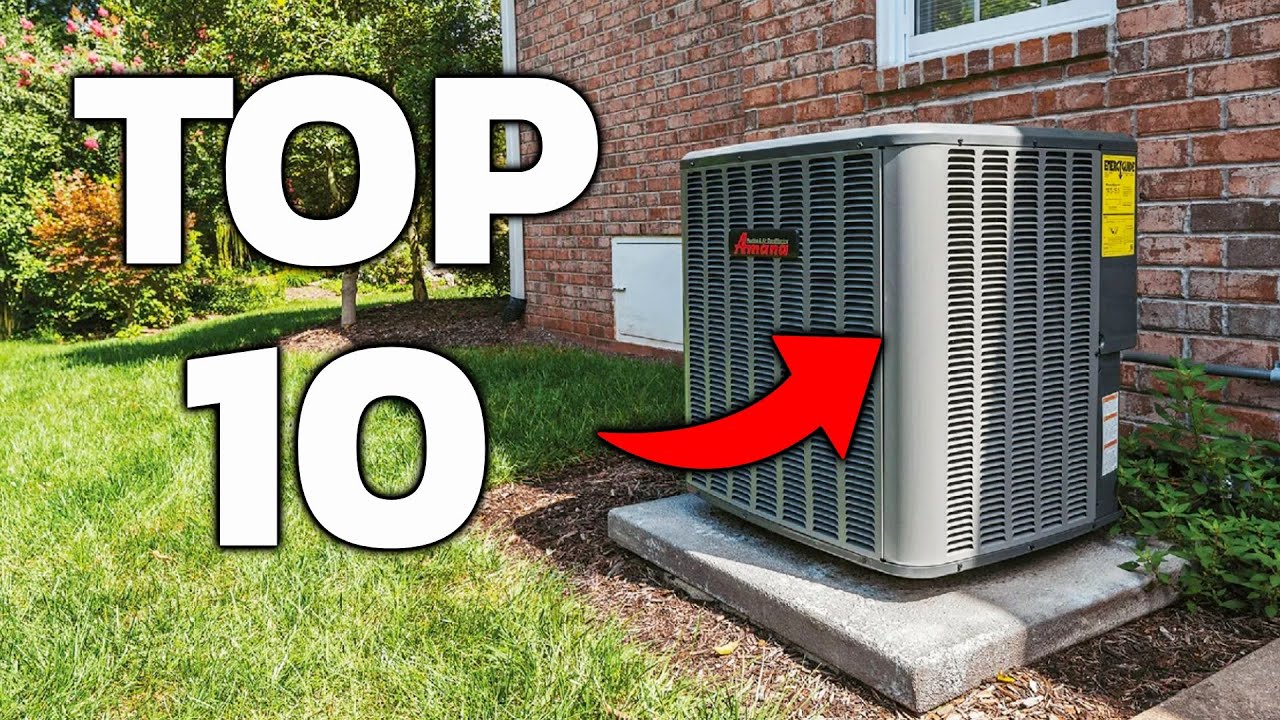
A system with persistent weak airflow may need a combination of repairs. I have seen cases where a dirty coil, a tired blower motor, and a small refrigerant leak were all contributing at once. Fixing only one of those improved the system but did not restore full performance. That is why a complete diagnosis beats piecemeal repairs. You want the technician to measure, not speculate. Static pressure, temperature differential, fan performance, and refrigerant charge all tell part of the story.
If the home has had remodeling work, recent insulation upgrades, or a change in duct layout, airflow should be reevaluated. Improvements to the house can expose weaknesses that were barely hidden before. A system that once seemed adequate may now be undersized for the new load pattern, or the ductwork may have become the bottleneck.
Getting comfort back without creating new problems
The best weak airflow solution is the one that restores balance without pushing the equipment beyond its design. It is tempting to think that the answer is always a bigger fan, a lower thermostat setting, or more refrigerant, but those shortcuts usually create another problem down the line. The better approach is to identify where the air is being lost, restricted, or interrupted.
That could mean a filter change and a vent adjustment. It could mean cleaning a coil that has been slowly choking the system. It could mean repairing duct leaks, replacing a failing blower motor, or tracking down the source of a low refrigerant AC condition. In Florida, it may mean dealing with the aftermath of a frozen AC coil Florida residents see during long stretches of humidity and heavy cooling demand. In other homes, it may involve recognizing bad AC compressor signs before a hot afternoon turns into a full breakdown.
Weak AC airflow is not just an annoyance. It is one of the clearest signals that the system needs attention, and the earlier it is addressed, the better the outcome tends to be. A well-cared-for system should move air with confidence, keep temperatures even, and run without sounding as though it is working uphill. When that changes, the problem is usually telling you where to start.
Phone:
(863) 247-0271
Website:
icecoolinghvac.com
Indoor Climate Experts
296 Lake Smart Circle,
Winter Haven,
FL
33881